Climate change and energy security are two issues that the modern world is now dealing with. The need to find sustainable fossil fuel substitutes is growing urgent as time is of the essence.
As a group committed to sustainable growth and environmental preservation, we are always looking to form meaningful alliances with other organizations that share our values.
We are about to sign a tripartite Memorandum of Understanding (MoU) with the Malaysian Green Technology and Climate Change Corporation (MGTC) and Hi-Arc Technologies Sdn Bhd (HAT), which is our newest partnership that is sure to check all the boxes.
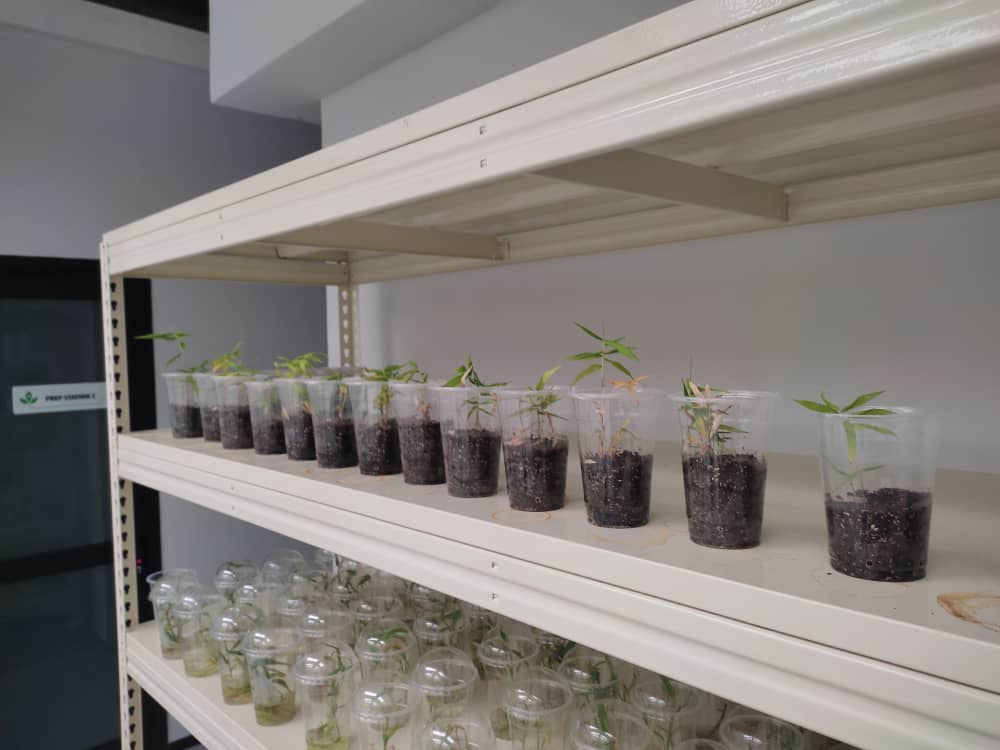
The partnership will be centered on our specially designed plant tissue culture facility and will mainly concentrate on producing bamboo tissue-cultured plantlets that will be utilized as biofuel.
As part of the arrangement, QIU will also offer guidance on how to build up a commercial laboratory for plant tissue culture in order to produce these plantlets. Throughout the production process, we will further offer training and comprehensive consulting services.
With the help of plant tissue culture, we can grow more plants year-round, which boosts output and produces genetically stronger plants that are more resistant to abiotic stresses like disease. In essence, this will allow us to produce more biofuel and lessen our reliance on coal and other fossil fuels.
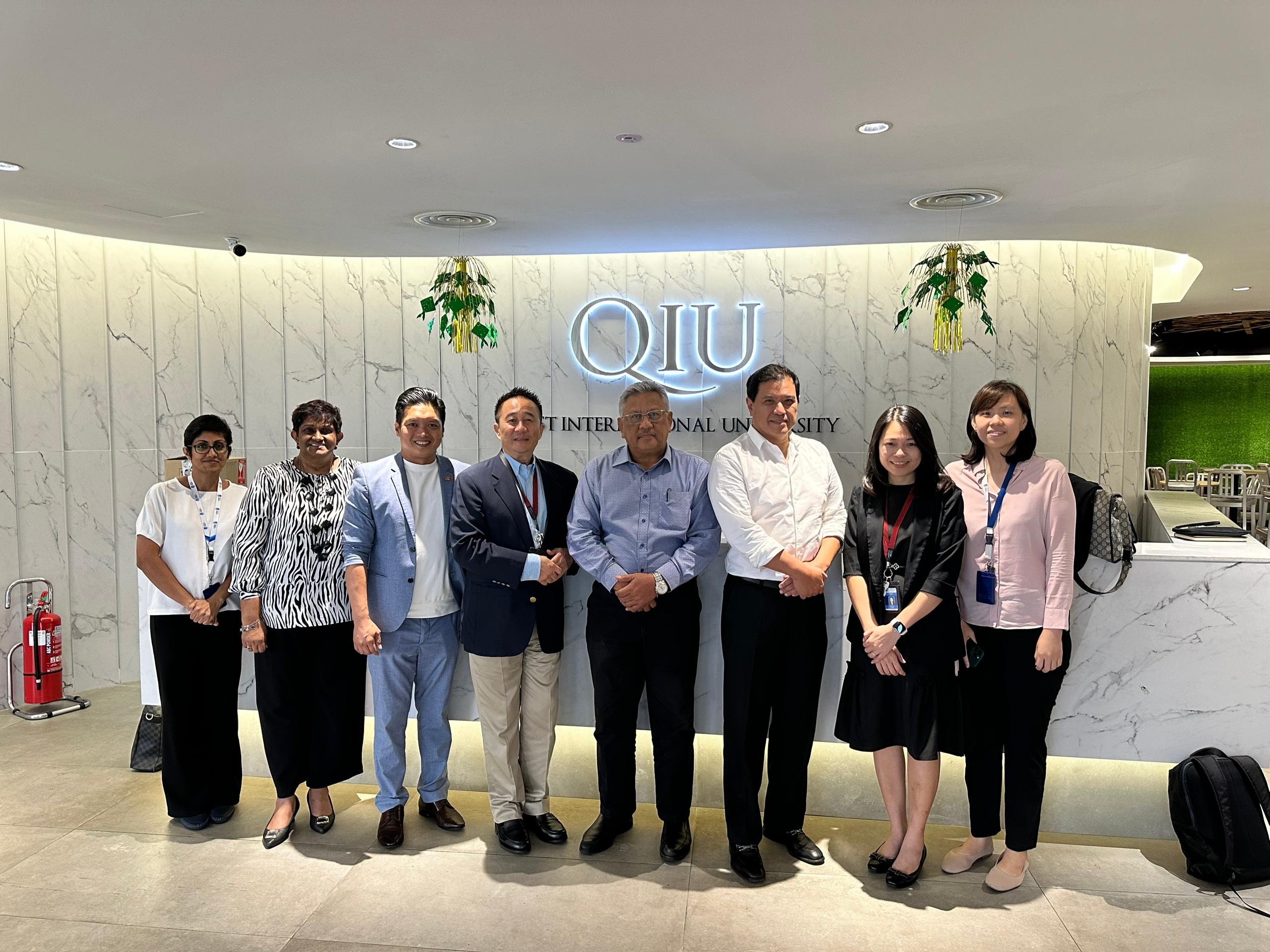
Before the formal signing, the three parties had a conversation in which these issues were covered in great detail.
Global Integrated Training Associates (GITA) CEO Nicholas Goh, QIU Vice-Chancellor Prof. Zita Mohd Fahmi, Senior Director Kamaradzaman Mohd Bakri of the MGTC Green Growth Group, CEO David Wong of HAT, Director Dato' Jerry Tan of HAT, and representatives from the universities were present at the discussion.
We also gave the team a tour of our campus's facilities, which included the plant tissue culture facility that will serve as the focal point of much of the innovation.
The lab, commonly referred to as "The Plant," provides the full range of plant tissue culture services, with an emphasis on both farming and plant conservation. Academics at universities and business partners collaborate closely, sharing knowledge on both fronts. The lab also has all the facilities and equipment required to propagate a wide variety of species and a huge number of plants.
As part of the nation's attempts to lower carbon emissions in metropolitan areas, preparations are also underway to employ the tissue-cultured bamboo plants for landscaping in addition to the biofuel endeavor.
Large-scale bamboo planting is another option we're considering as a sustainable timber land rehabilitation strategy.